Bulk Density: 3.1-3.3 g/cm³.
Flexural Strength: 600-800 MPa.
Appearance Color: Blackish gray.
Product Purity: 99.9%.
Coefficient of Thermal Expansion: 3.2×10⁻⁶/℃.
Maximum Operating Temperature: 1200°C.
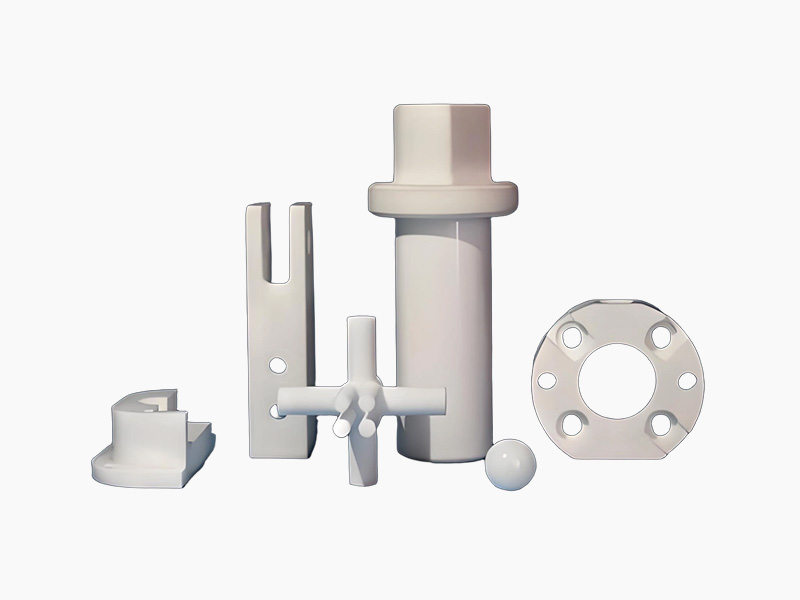
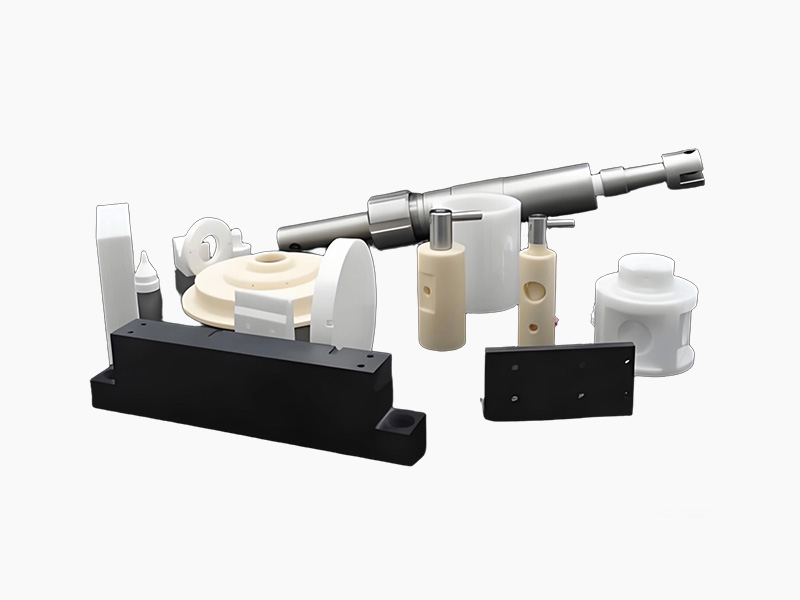
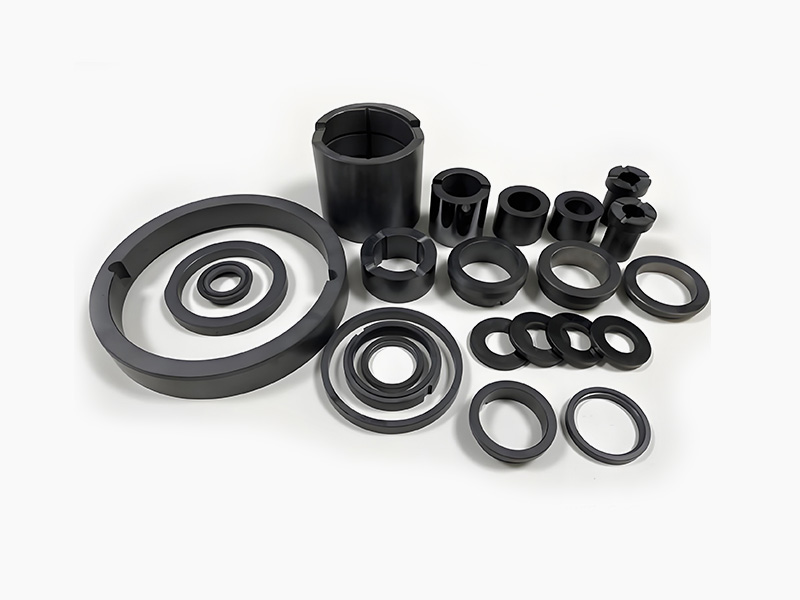
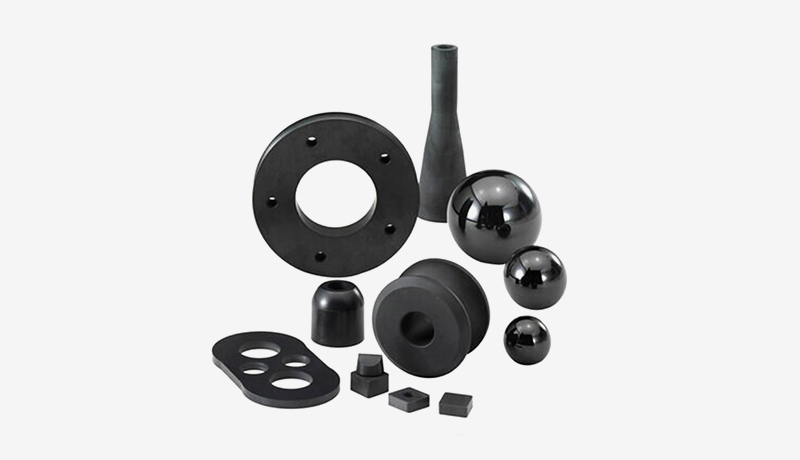
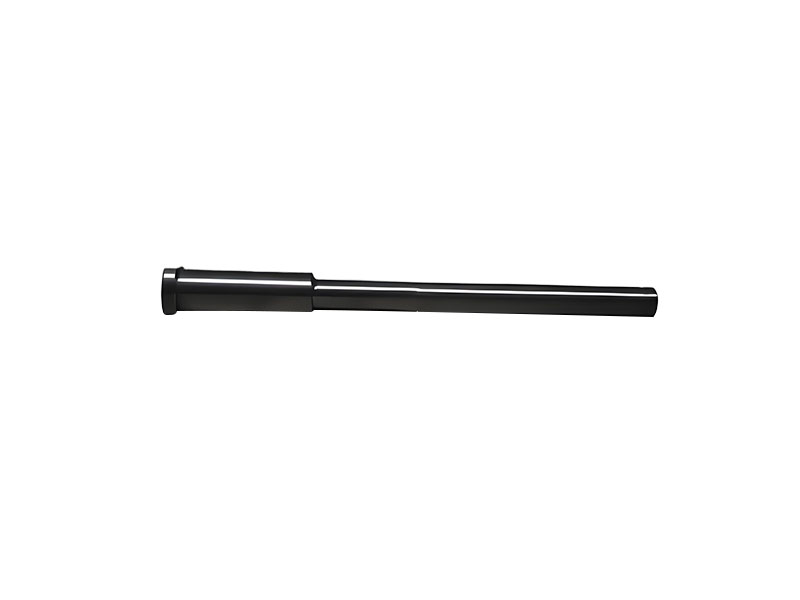
Product Introduction of Silicon Nitride Ceramic Shafts
Silicon nitride (Si3N4) ceramic shafts are high-performance structural ceramic materials with the following significant characteristics:
1. High strength and toughness: They maintain excellent strength and toughness even under high temperature and high pressure environments, making them suitable for high-load applications.
2. Excellent wear resistance: With a hardness close to that of diamond, they exhibit extremely high wear resistance and very low wear rate.
3. High temperature resistance: They can operate stably at temperatures up to 1200°C.
4. Chemical stability: They have good corrosion resistance to various chemical media.
5. Low thermal expansion coefficient: They effectively control deformation caused by temperature changes.
6. High-frequency insulation performance: They maintain a high resistivity of 10¹²–10¹³ Ω·cm even at 1200°C.
Manufacturing Process
1. Silicon nitride ceramic shafts can be manufactured using various advanced processes:
Forming processes: Dry pressing, isostatic pressing.
Sintering processes: Reaction sintering, atmospheric pressure sintering, gas pressure sintering, hot pressing sintering.
2. Machining accuracy:
Dimensional accuracy: Up to 0.003 mm.
Surface finish: Up to Ra0.03.
Concentricity: Up to 0.003 mm.
Parallelism: Up to 0.003 mm.
Inner bore: Minimum machinable size is 0.1 mm.
Application Fields
Due to their excellent performance, silicon nitride ceramic shafts are widely used in several industries:
1. Aerospace: Used in engines and propulsion systems, withstanding extreme temperatures and pressures.
2. Automotive Industry: Used in engines and transmission systems to improve efficiency and reduce energy consumption.
3. Electronic Devices: Used as insulators and heat dissipation materials for high-power electronic components.
4. Medical Devices: Utilizing their excellent biocompatibility and corrosion resistance.
5. Chemical Industry: Used in equipment such as pumps and valves to resist chemical corrosion.
6. Metallurgical Industry: Used in bearings and transmission components in high-temperature environments.
Supports custom specifications.